How Zelensky changed the West’s response to Russia
 0
0
 0
0
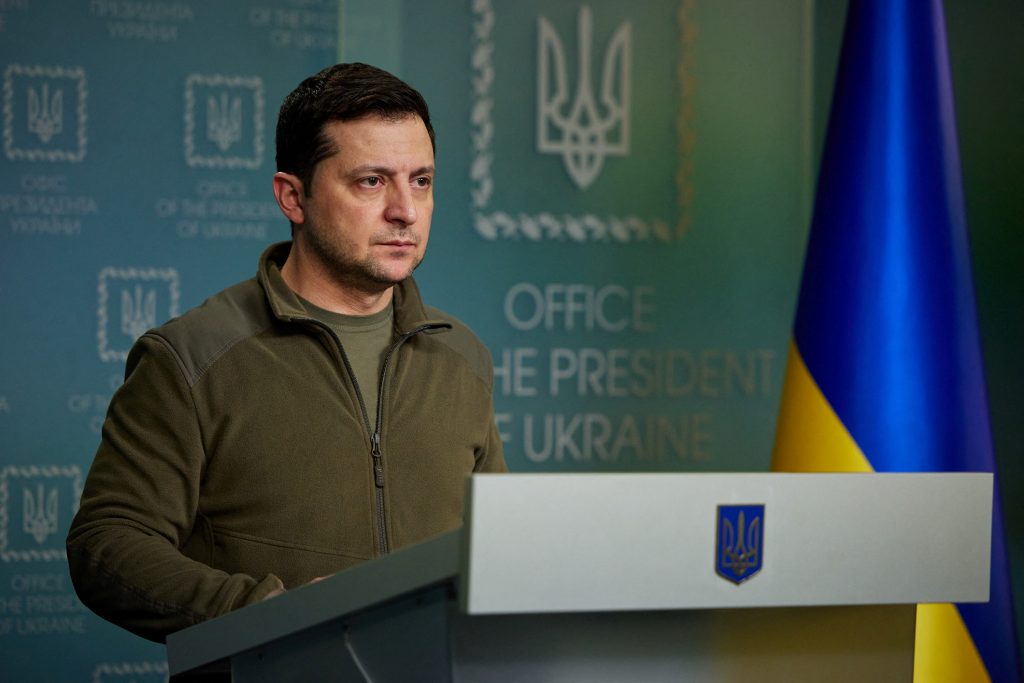
Ukrainian President Volodymyr Zelenskiy makes a statement in Kyiv, Ukraine, February 25, 2022. Ukrainian Presidential Press Service/Handout via REUTERS ATTENTION EDITORS - THIS IMAGE WAS PROVIDED BY A THIRD PARTY.
0
0
(CNN) Five days into Russia’s brutal invasion of Ukraine, Ukrainian President Volodymyr Zelensky and his courageous nation have already done more to transform the West’s policy toward Russia than 30 years of post-Cold War summits, policy resets and showdowns with Russian President Vladimir Putin.
Zelensky’s emotional appeal
In what has already become an iconic comment, Zelensky has rejected American offers of an exit to safety, telling the US, according to his country’s embassy in Britain, “The fight is here. I need ammunition. Not a ride.”
In another poignant message on Sunday, the Ukrainian President warned the rest of the world that although he and his country were in the firing line, he was waging a fight on behalf of worldwide democracy and freedom.
“Ukrainians have manifested the courage to defend their homeland and save Europe and its values from a Russian onslaught,” he said.
“This is not just Russia’s invasion of Ukraine. This is the beginning of a war against Europe, against European structures, against democracy, against basic human rights, against a global order of law, rules and peaceful coexistence.”
An alarming twist in the crisis
Zelensky’s comments came as the Ukraine crisis took an even more alarming turn.
Putin, lashing out at NATO leaders, put Russia’s deterrence forces — including nuclear weapons — on high alert. The move may have been designed to frighten the West, but it also heightened fears of an escalation to truly alarming levels.
Putin’s nuclear rhetoric came as he appeared ever more isolated, with his forces bogged down on the roads to Kyiv and scenes of burned-out convoys hinting at the strength of Ukrainian resistance.
There’s never been a greater need for Putin to be provided with some kind of diplomatic off-ramp from the crisis. But neither Western leaders nor Ukrainians have high hopes for talks planned for Monday between officials from Kyiv and Moscow on the border with Belarus.
And Monday’s expected crash of the Russian currency, the ruble, on the back of international sanctions could further pile political pressure on Putin and worsen his volatile mood.
A foreboding moment looms
The Russian invasion of Ukraine is, more than anything, the result of one man’s obsession with the fall of the Soviet Union, the shape of the post-Cold War world and perceived disrespect for Russia’s pretensions as a great power. But if Putin initiated the crisis, it is the behavior of Zelensky that has driven the response of the rest of the world — often using social media hits that have made the Russian propaganda machine seem flat footed.
But the question must be asked whether the response is all coming too late for Ukraine.
A three-mile-long Russian column was spotted in satellite imagery on the road to Kyiv on Sunday, fueling dread about a possible assault on the capital that would put civilians in the direct firing line and swell the already high civilian death toll, which local authorities put at 352 on Sunday. Western leaders say that it will take time for sanctions to begin to inflict pain on Putin, the oligarchs who support him and the Russian people. But Ukraine may have days, not weeks, left as an independent nation.
The Ukrainian President’s survival is taking on more importance for the rest of the world too. The tough slog Russian forces have faced underscores the difficulty Russia would have in subjugating a nation the size of France under occupation. A partitioned Ukraine and a full-scale insurgency would be far more effective with Zelensky as a figurehead. His new influence in global capitals and capacity to mobilize political heat on foreign leaders could be invaluable to the Ukrainian cause, which is why an eventual flight from Kyiv might be essential for his country’s hopes of liberation.
But Zelensky and thousands of his fellow Ukrainians know they may be living on borrowed time. Putin appears to be backed into a corner, making it all the more urgent for him to quickly and decisively end the conflict. The Russian leader, who has falsely demeaned Zelensky and his compatriots as Nazis, has a record of scorched-earth responses that pay little heed to civilian losses. Russia’s utter destruction of the Chechen capital, Grozny, in its ruthless effort to crush separatists may hold some foreboding omens for Kyiv in the coming days.
And Zelensky’s extraordinary success so far is only making him a more valuable target for Russia. Moscow may reason that if he is captured or killed, Ukrainian morale and resistance could collapse.
The evidence of the last few days, however, makes that a questionable proposition.